

 English
 русский
What is the maintenance cycle for a fire-fighting pump?
1. Daily (or each shift)
Visually inspect the pump room for cleanliness and water retention.
Check the power indicator, fault light, and water level light on the control cabinet for normal operation.
Touch the motor housing to check for a temperature rise, ensuring it is not too hot.
Record the static pressure gauge reading and compare it with the
previous day's reading. Immediately investigate for leaks if any
abnormal pressure drop occurs.
2. Weekly
Perform a 5–10 minute local/remote jog test run to observe current and pressure stability.
Hand-turn the motor coupling 2–3 turns to confirm there is no binding or unusual noise.
Check valves, check valves, and pressure relief valves for smooth opening and closing and leak-free operation.
3. Monthly
Simulate a fire alarm trigger:
– Trigger any fire hydrant button or pressure switch and record the time
from the signal being issued until the pump reaches rated pressure (≤55
seconds for acceptable).
Backup power supply transfer test: After a mains power failure, the
diesel pump or backup power supply should take over within 15 seconds.
Clean the filter and inspect the water intake for debris.
Add grease or oil to the valve screw, coupling, and bearing seat.
IV. Quarterly
Perform a water test on the terminal water test device: Measure flow and
pressure to confirm that the system's worst-case scenario meets the
design values.
Inspect the vacuum and pressure gauges, verifying that the error is ≤±2.5%.
Check the trip pressure of the safety relief valve and ensure that there is no leakage upon reseating.
Clean and tighten the motor terminals and the interior of the control cabinet.
V. Annually
Complete a complete system test: Automatic fire alarm → Pump start →
Pipeline pressure → Water flow indicator → Fire department feedback,
completing the entire process in one go.
Disassemble the pump and inspect: Impeller wear, seal ring clearance, and bearing play. Replace if any of these exceed the specified limits.
Replace the lubricating oil, diesel filter, and engine oil filter (for diesel pumps).
Repaint, reapply rust-proof paint, and repaint nameplates and labels.


Company Profile
About Us
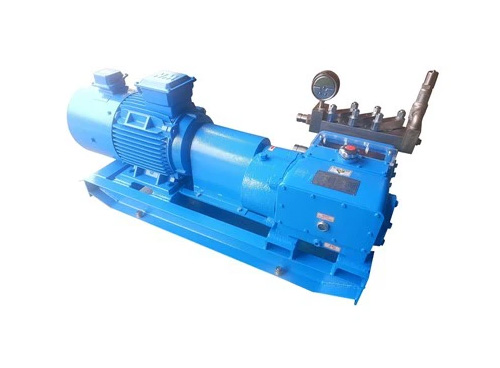
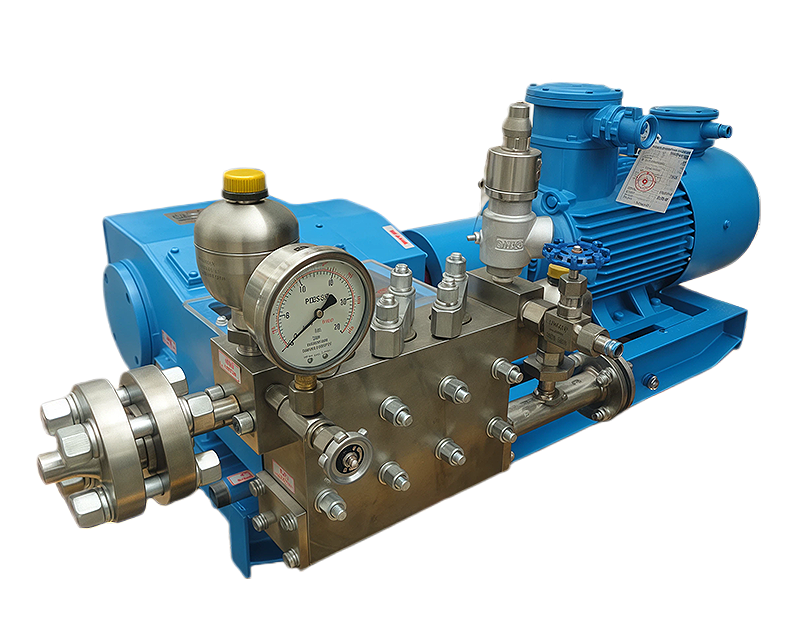
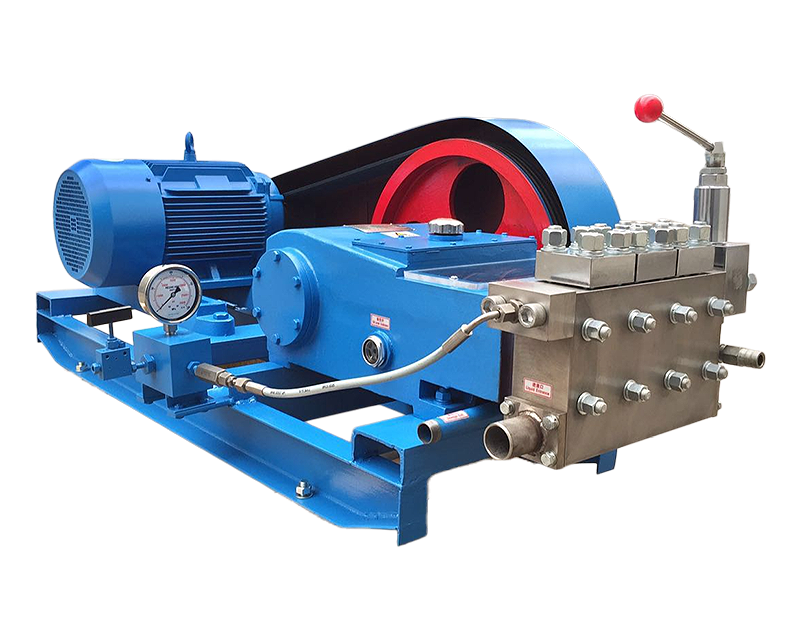
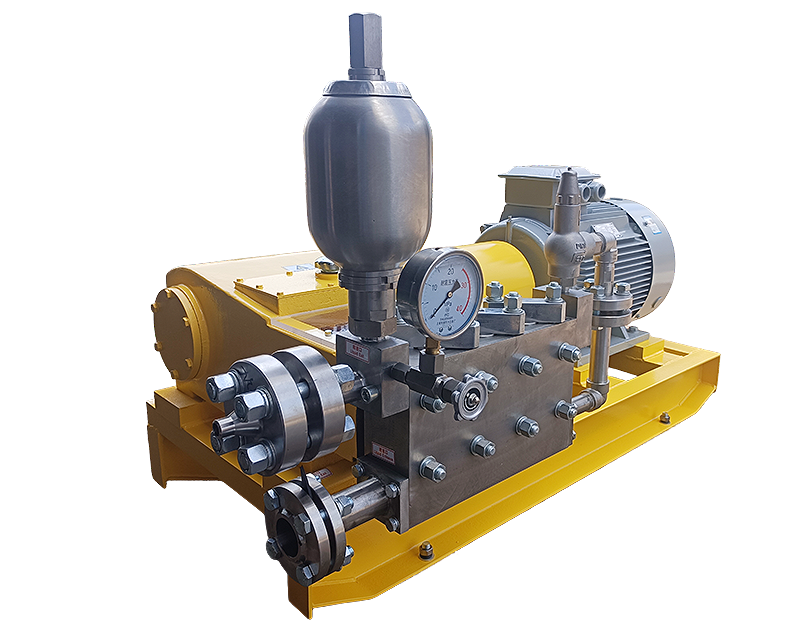
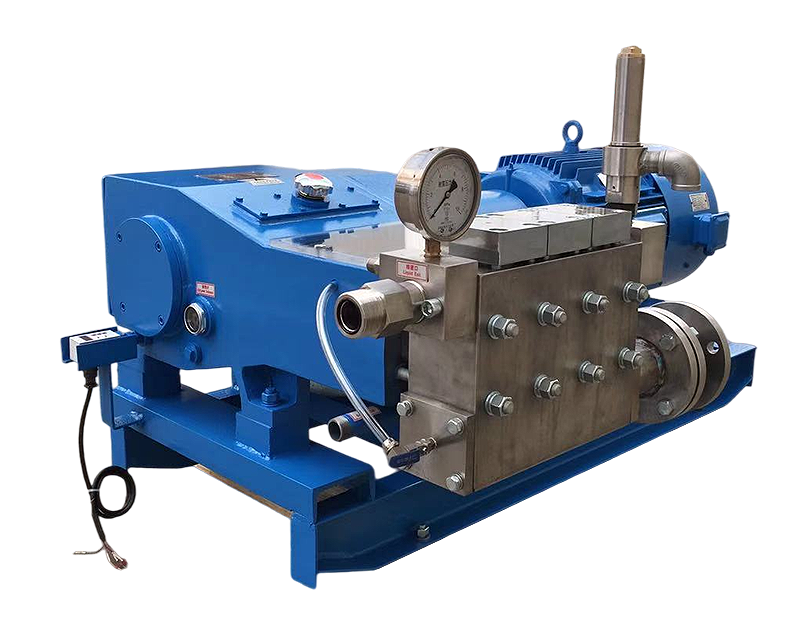
Petrel's foreign trade share takes around 50%. To meet standards and requirement of different foreign clients, Petrel continuously improve its production management.
Petrel improves product management system by ensuring the trackability of raw material sourcing, heat treatment process, and machining accuracy. The codes on key parts allow Petrel to track which steel mill supplies the material, which factory conducts the heat treatment, inspection records of fine machining, etc.
To sustain products' high quality, Petrel heavily invests its calibration lab by importing various inspection equipment, such as spectrometers, Brinell hardness gauges, coordinate measuring machine, etc.
To promote and sustain a high level of productivity and safety, Petrel also pays attention to employee training, which includes 6s lean methodology, instructions of equipment, standards, requirement of production process, etc.
News
-
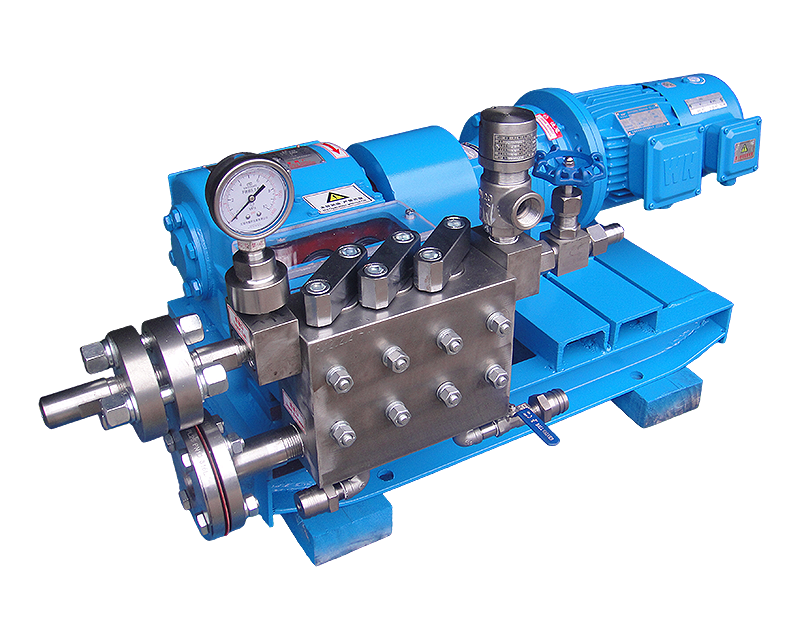
Work Specifications:Wuxi Petrel supplied BAOSTEEL with descaling pumps which are originally designed···
READ MORE -
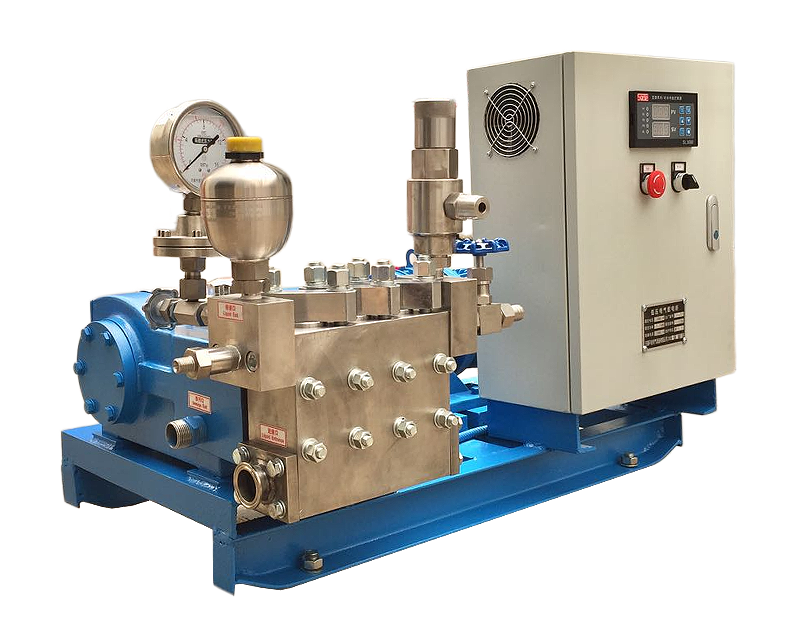
Work Specifications:Wuxi Petrel supplied NETZSCH with industrial pumps which are originally designed···
READ MORE -
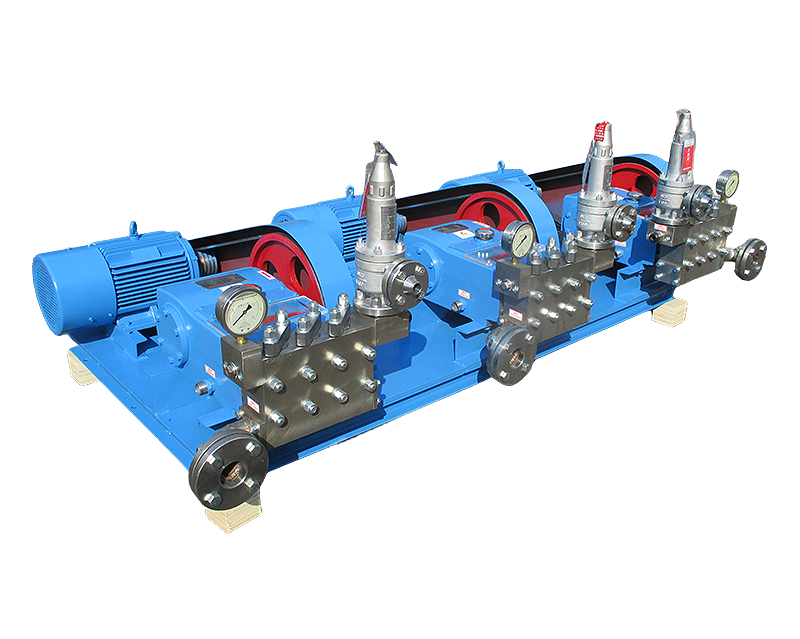
Work Specifications:Since 2009, Wuxi Petrel has been serving as an OEM for Weatherford's W-serie···
READ MORE -
Another widely used industry for our 5ZW100 pump is Metal Powder Atomization. This 450KW high pressu···
READ MORE -
Besides of the outlet pressure readout and vibration from the fluid end, the other significant inspe···
READ MORE -
Every pump we sell will go through a routine test run before delivery. The normal process is:1. No-l···
READ MORE
If you are interested in our products, please consult us
CONTACT DETAIL
- Tel: +86-510-83380007
- Mob: +86-15006196717
- E-mail:chengji@hygyb.com
- Address:No.35 Yanyu Mid-road, Qianzhou Town, Huishan District, Wuxi, Jiangsu, China
PRODUCTS
MOBILE TEMERNAL

Copyright © 2025 Wuxi Haiyan High-pressure Valve Factory. All Rights Reserved.
