

 English
 русский
CMM Inspection of Geometric Tolerances in High Pressure Plunger Pump Power Frame
Application of CMM in Power Frame Inspection
The power frame is a key structural component of a high-pressure plunger pump. It provides the mounting reference and support for the crankshaft, crosshead, and bearing assemblies. The machining accuracy of the internal bores directly affects the alignment of moving components and the overall operating stability of the pump.
To verify the geometric accuracy of the power frame, Wuxi Petrel uses a Coordinate Measuring Machine (CMM) for precision inspection. A CMM measures the position of machined features in three-dimensional space and evaluates not only individual dimensions, but also the positional relationship between different bores and reference surfaces.
Compared with conventional measuring tools, CMM inspection provides a more accurate evaluation of complex geometric tolerances, especially for large pump components with multiple alignment requirements.
Main Geometric Tolerances Checked by CMM
For a high-pressure plunger pump power frame, dimensional accuracy alone is not sufficient. The alignment relationship between different machining features is equally important.
One of the main inspection items is bore concentricity. This verifies whether related cylindrical bores share the same center axis. In the power frame, concentricity is commonly checked between bearing bores, crosshead bores, and other precision machined cylindrical surfaces. Proper concentricity ensures smooth movement of internal components and helps maintain balanced mechanical loading.
Another important inspection item is bore coaxiality. Coaxiality evaluates whether multiple cylindrical features remain aligned along the same theoretical axis. For crankshaft support structures, accurate coaxiality reduces uneven bearing loads, minimizes vibration, and improves the service life of rotating components.
In addition, CMM inspection is used to verify the positional accuracy of mounting surfaces, locating holes, and gearbox connection faces. These measurements ensure that all components can be assembled according to the original design requirements.
Why Are Geometric Tolerances Important?
High-pressure plunger pumps operate under continuous reciprocating loads and high-pressure conditions. Even small deviations in the power frame geometry may affect the alignment between the crankshaft, bearings, and crosshead system.
Poor geometric accuracy can lead to uneven load distribution, increased friction, unstable lubrication conditions, and accelerated wear of critical components. Over long-term operation, these issues may result in higher vibration, increased operating temperature, and reduced pump reliability.
By controlling geometric tolerances through precision machining and CMM inspection, the power frame can provide a stable foundation for the entire pump assembly. This is especially important for demanding applications requiring continuous operation, such as steel descaling, oilfield injection, and industrial cleaning.

Company Profile
About Us
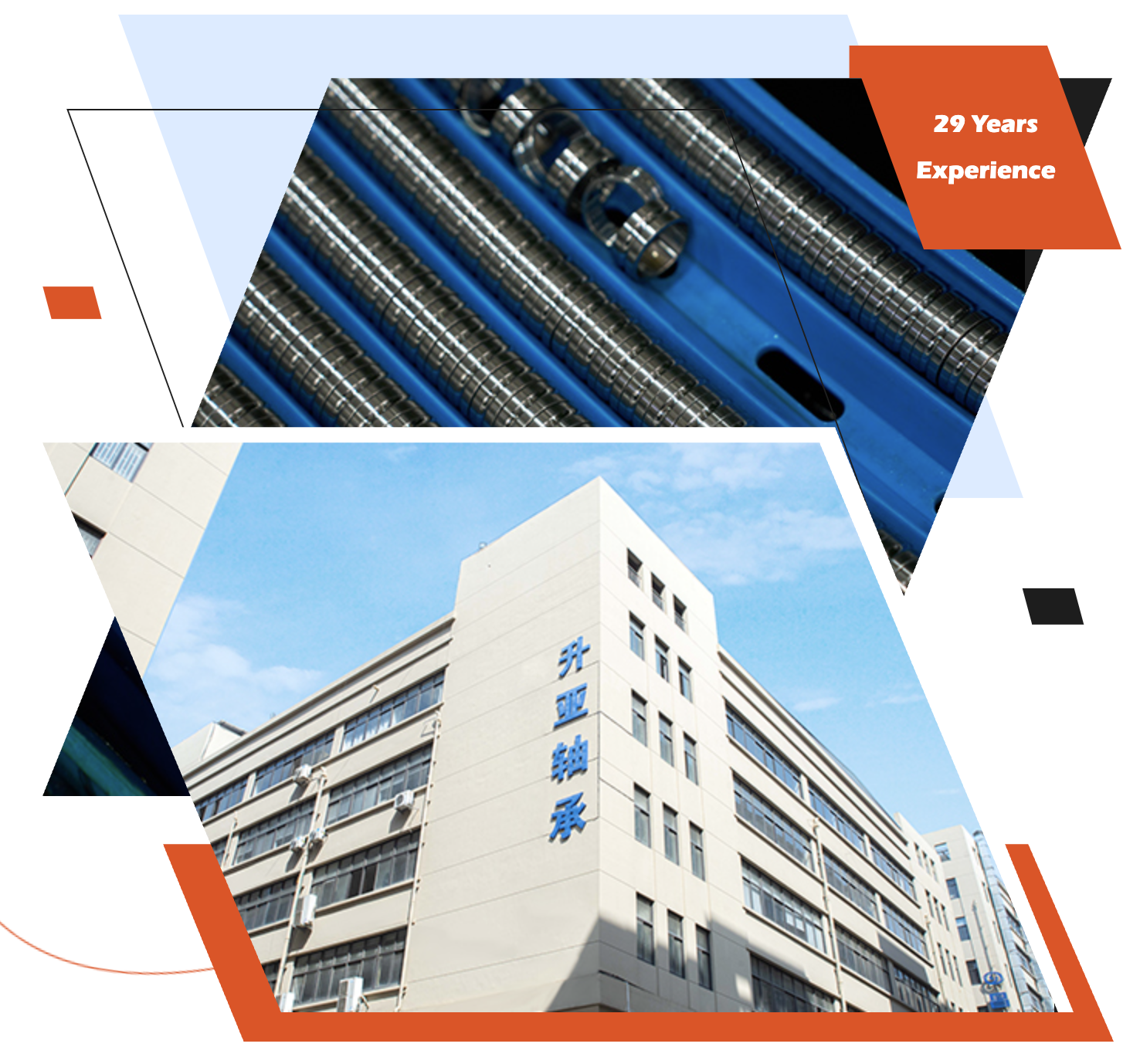
Petrel's foreign trade share takes around 50%. To meet standards and requirement of different foreign clients, Petrel continuously improve its production management.
Petrel improves product management system by ensuring the trackability of raw material sourcing, heat treatment process, and machining accuracy. The codes on key parts allow Petrel to track which steel mill supplies the material, which factory conducts the heat treatment, inspection records of fine machining, etc.
To sustain products' high quality, Petrel heavily invests its calibration lab by importing various inspection equipment, such as spectrometers, Brinell hardness gauges, coordinate measuring machine, etc.
To promote and sustain a high level of productivity and safety, Petrel also pays attention to employee training, which includes 6s lean methodology, instructions of equipment, standards, requirement of production process, etc.
News
-
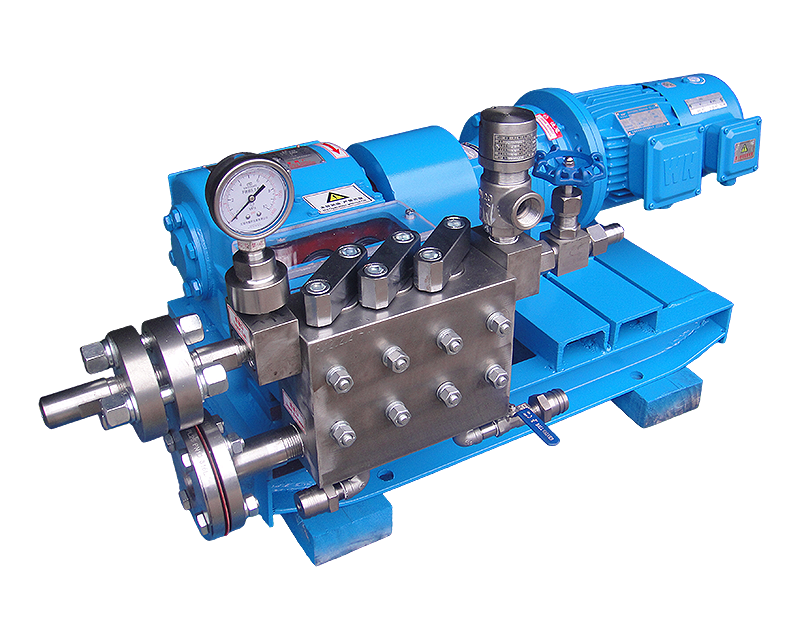
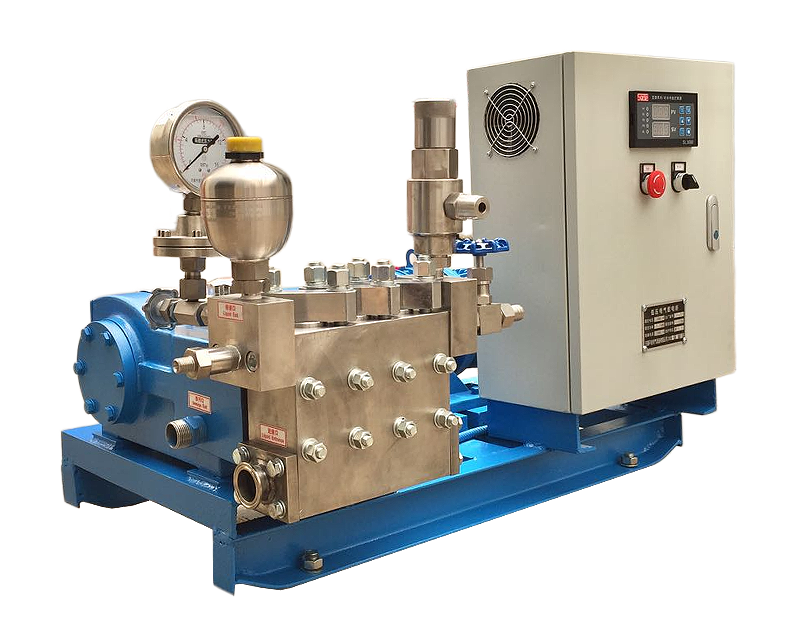
Wuxi Petrel 3ZX90 high pressure filter screen cleaning pump features pneumatic three-way valve contr···
READ MORE -
Wuxi Petrel provides high pressure plunger pump systems for aviation fuel, lubricating oil, and dies···
READ MORE -
Wuxi Petrel 3DP40 high pressure water mist pump provides reliable water mist solutions for marine sy···
READ MORE -
Wuxi Petrel supplied 13 high pressure spunlace pumps for a Turkey nonwoven production line, includin···
READ MORE -
CMM inspection verifies geometric tolerances of high pressure plunger pump power frames, including b···
READ MORE -
Learn how the Prussian Blue contact test verifies cone sealing quality, contact area, and uniformity···
READ MORE
If you are interested in our products, please consult us
CONTACT DETAIL
- Tel: +86-510-83380007
- Mob: +86-15006196717
- E-mail:chengji@hygyb.com
- Address:No.35 Yanyu Mid-road, Qianzhou Town, Huishan District, Wuxi, Jiangsu, China
PRODUCTS
MOBILE TEMERNAL

Copyright © 2025 Wuxi Haiyan High-pressure Valve Factory. All Rights Reserved.
