

 English
 русский
Prussian Blue Test in High Pressure Plunger Pumps
Application of Prussian Blue Test in High Pressure Pump Valve Inspection
The Prussian Blue Test, also known as the Blue Dye Contact Test, is a traditional precision inspection method used to verify the actual contact condition between two mating surfaces.
In high-pressure plunger pumps, reliable valve sealing is critical for maintaining stable pressure output, high volumetric efficiency, and long service life. Valve components such as the valve seat, valve body, and valve chamber usually rely on cone-to-cone sealing surfaces. Although machining measurements can confirm dimensional accuracy, they cannot directly show whether two sealing surfaces achieve proper contact after assembly.
How is the Prussian Blue Contact Test Performed?
The video below demonstrates our daily inspection process of seal interity of the cylinder for Weatherford W-Series Pumps, which typically includes:
1. Surface Cleaning
Before applying the blue dye, the mating surfaces must be cleaned carefully and kept dry. Oil, dust, machining residue, or previous sealing materials may affect the contact marks and lead to inaccurate evaluation results.
2. Applying Prussian Blue Dye
A thin layer of Prussian Blue paste or blue marking compound is applied evenly to a pre-calibrated fixture. The coating should be uniform and as thin as possible. Excessive dye thickness may cover small contact differences and affect the inspection result.
3. Assembly and Contact Verification
The coated fixture is assembled, simulating the working position of the valve seats, allowing the two cone surfaces to contact each other. Through light pressing, the blue dye transfers between the two surfaces and reveals the actual contact pattern.
4. Checking Contact Marks
After separating the fixture from the chamber, the transferred blue marks are inspected. A properly matched sealing surface should show continuous and evenly distributed contact marks. A flashlight is also used to illuminate the sealing surface inside the valve chamber.
A well-matched sealing surface normally shows:
- Even contact distribution
- Sufficient contact area
- Continuous marking along the sealing surface
Areas with insufficient contact will show:
- No blue transfer
- Light or discontinuous marks
- Localized contact points
Why Is Blue Dye Testing Important for Plunger Pumps?
High-pressure plunger pumps often operate under hundreds or even thousands of bar pressure. Valve assemblies experience repeated impact loads, pressure fluctuations, and high-frequency opening and closing cycles.
Insufficient or uneven cone contact may lead to:
- Internal leakage
- Reduced volumetric efficiency
- Unstable pressure output
- Accelerated wear of valve components

Company Profile
About Us
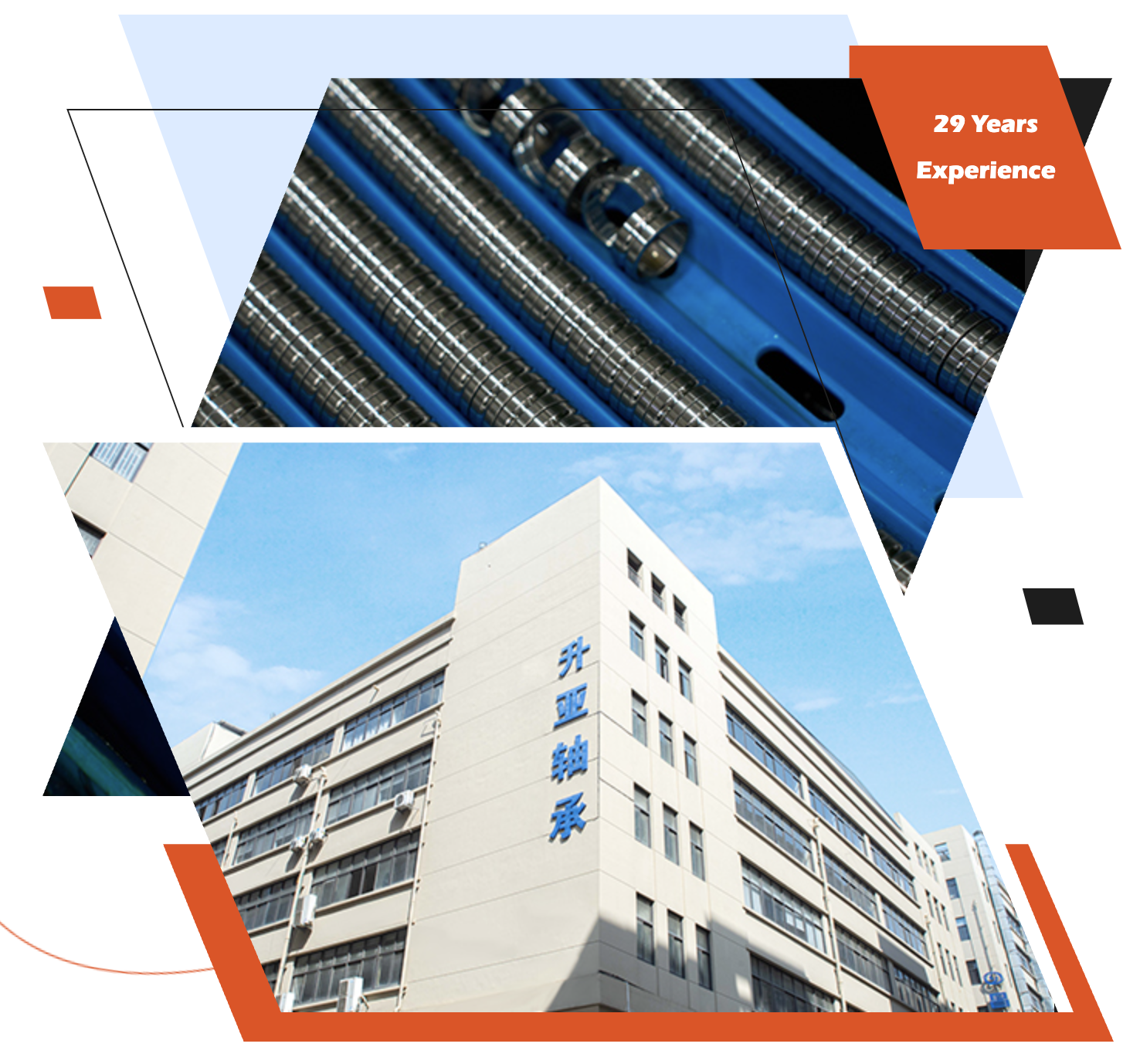
Petrel's foreign trade share takes around 50%. To meet standards and requirement of different foreign clients, Petrel continuously improve its production management.
Petrel improves product management system by ensuring the trackability of raw material sourcing, heat treatment process, and machining accuracy. The codes on key parts allow Petrel to track which steel mill supplies the material, which factory conducts the heat treatment, inspection records of fine machining, etc.
To sustain products' high quality, Petrel heavily invests its calibration lab by importing various inspection equipment, such as spectrometers, Brinell hardness gauges, coordinate measuring machine, etc.
To promote and sustain a high level of productivity and safety, Petrel also pays attention to employee training, which includes 6s lean methodology, instructions of equipment, standards, requirement of production process, etc.
News
-
Wuxi Petrel 3ZX90 high pressure filter screen cleaning pump features pneumatic three-way valve contr···
READ MORE -
Wuxi Petrel provides high pressure plunger pump systems for aviation fuel, lubricating oil, and dies···
READ MORE -
Wuxi Petrel 3DP40 high pressure water mist pump provides reliable water mist solutions for marine sy···
READ MORE -
Wuxi Petrel supplied 13 high pressure spunlace pumps for a Turkey nonwoven production line, includin···
READ MORE -
CMM inspection verifies geometric tolerances of high pressure plunger pump power frames, including b···
READ MORE -
Learn how the Prussian Blue contact test verifies cone sealing quality, contact area, and uniformity···
READ MORE
If you are interested in our products, please consult us
CONTACT DETAIL
- Tel: +86-510-83380007
- Mob: +86-15006196717
- E-mail:chengji@hygyb.com
- Address:No.35 Yanyu Mid-road, Qianzhou Town, Huishan District, Wuxi, Jiangsu, China
PRODUCTS
MOBILE TEMERNAL

Copyright © 2025 Wuxi Haiyan High-pressure Valve Factory. All Rights Reserved.
